Evaporative cooling for
factories and large areas
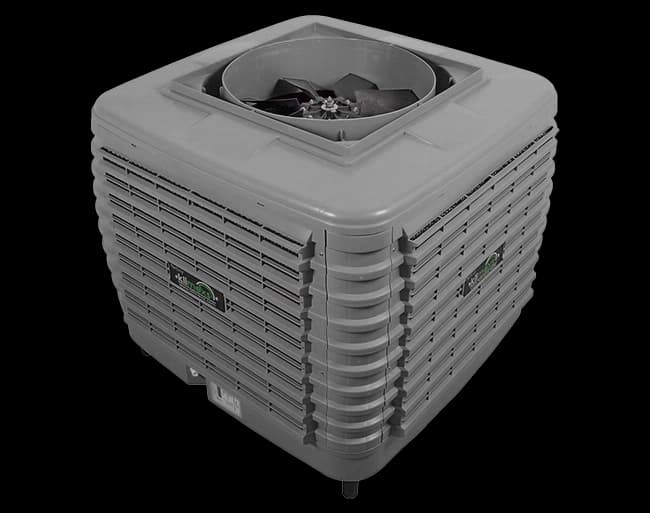
Evaporative systems work on the principle of water evaporation, providing far more economical cooling for factories, warehouses and large open areas than traditional air conditioning.
Evaporative Cooling Advantages
Seven core advantages that stand out through unmatched energy efficiency and an eco-friendly design.
100% Fresh Air
Does not recirculate indoor air; 100% fresh air, 100% comfort and natural cooling.
80% Energy Savings
Consumes 80% less energy than classic refrigerant-based air conditioning.
Low Investment Cost
Up to 80% lower investment cost compared to traditional air conditioning.
Low Maintenance Cost
No compressor, no refrigerant — very low maintenance cost.
Eco-friendly
Uses no harmful refrigerants and emits no harmful gases.
Maintains Humidity Balance
Does not dry out the space like air conditioning; humidifies through air circulation.
Air Filtering
Filters bacteria, dust, pollen and smoke from outside air for cleaner indoor air.
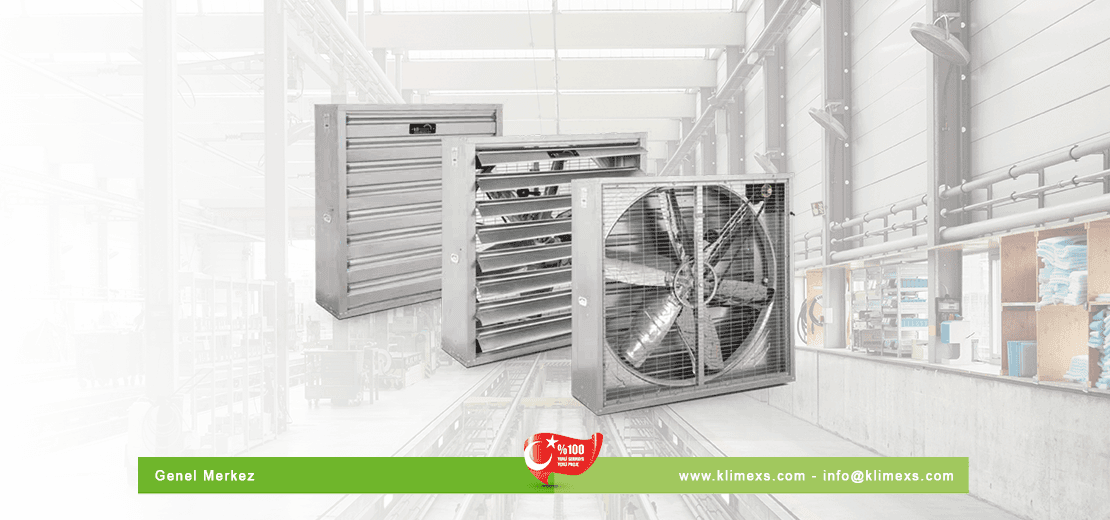
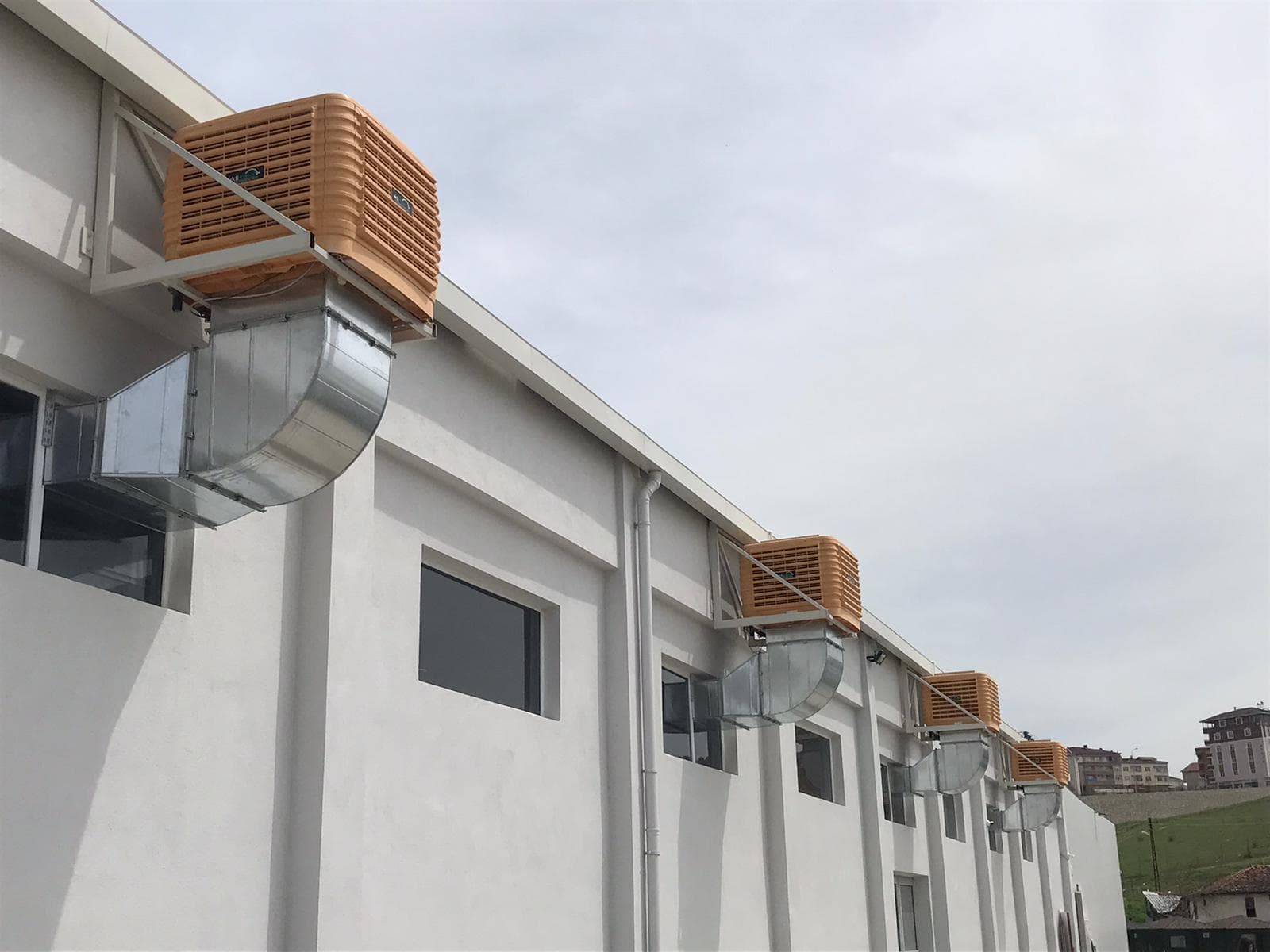
Discover Our Evaporative Solutions

Evaporative Cooling Frequently Asked Questions
1. What is evaporative cooling?
2. How do evaporative cooling systems work?
3. Where is it used?
4. Can it replace air conditioning?
5. What is the difference from air conditioning?
6. How much energy does it use?
7. In which climates does it work more efficiently?
8. How is it maintained?
9. Is it eco-friendly?
How to Work With Klimexs
Request a Quote
Share your project and needs via our form or by phone. Guaranteed response within 24 hours.
Expert Analysis
Our technical team assesses the installation environment, heat load and capacity requirement.
Production & Delivery
The product is manufactured in our factory and delivered to your address with fast logistics.
Installation & Support
Our technical service handles commissioning and provides after-sales maintenance and support.